handcrafted footwearmass productionmanufacturing process
Loading...
Loading...
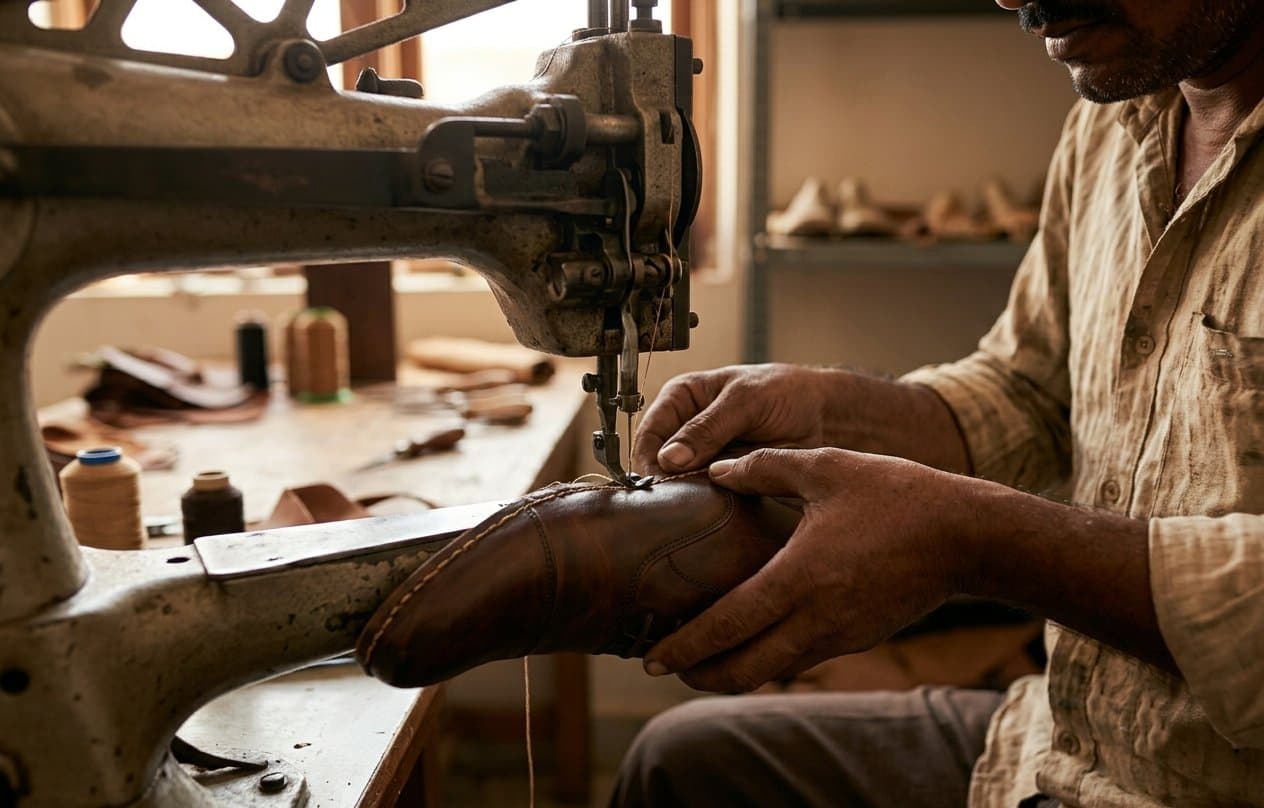
Mass-produced and handcrafted footwear serve different markets. Understanding the differences helps brand owners choose the right manufacturing approach for their product.
When you are sourcing footwear for your brand, one of the most fundamental decisions is the manufacturing approach: mass production or handcrafted manufacturing. Both have their place, but they serve very different markets and brand positioning.
Mass production uses automated machinery — die-cutting presses, injection moulding machines, and automated stitching lines — to produce thousands of identical pairs per day. Factories in China, Vietnam, and parts of India use this method to manufacture footwear at scale.
Characteristics:
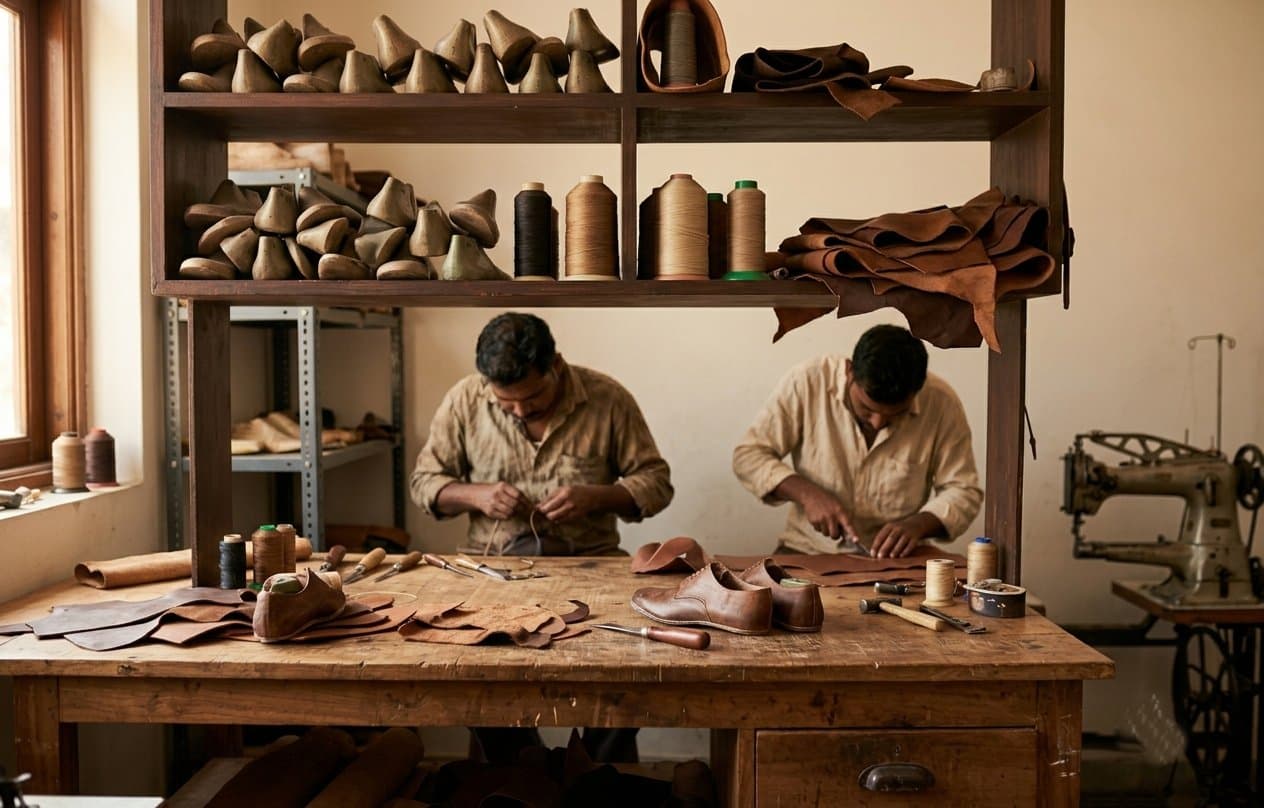
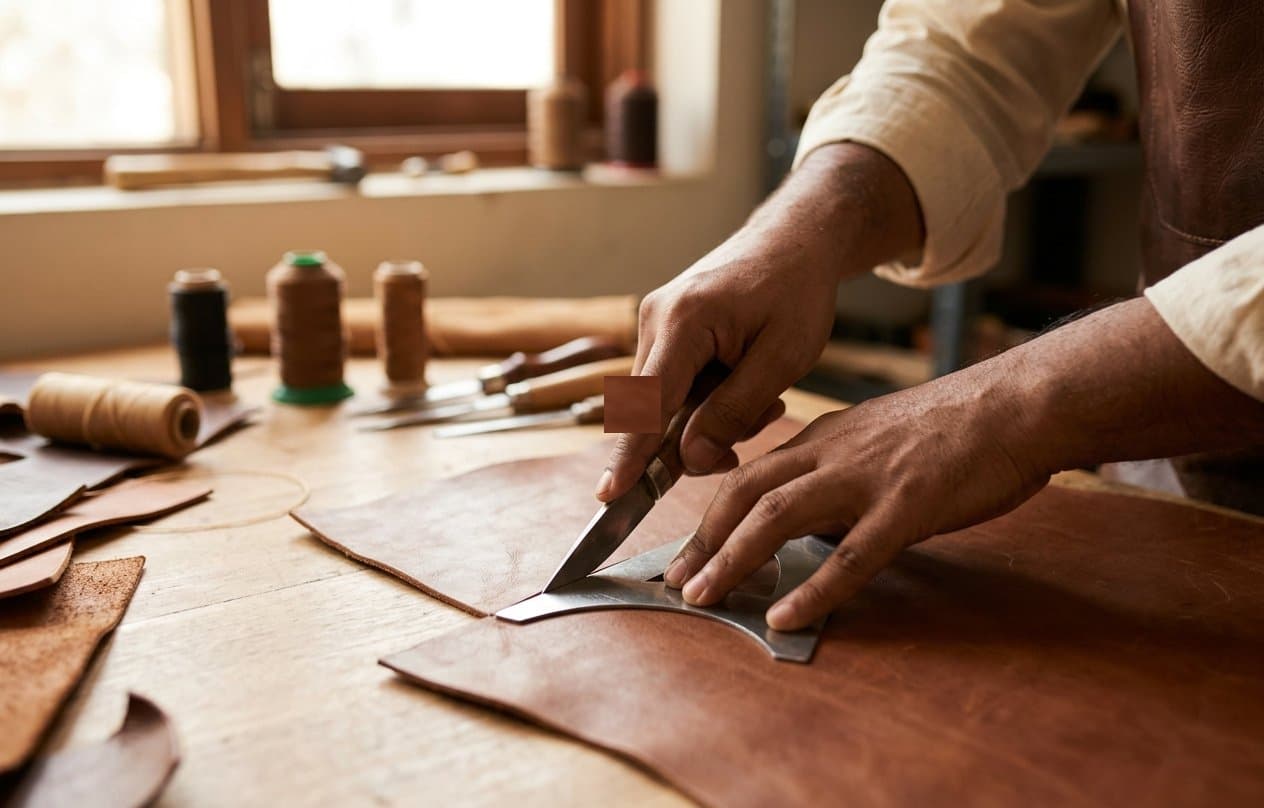
Handcrafted manufacturing involves skilled artisans performing key production steps by hand — cutting, stitching, lasting, and finishing. While machines assist in specific steps (industrial sewing machines, compressors), the core work is done by craftsmen whose skills take years to develop.
Characteristics:
Mass production works best when you are ordering an existing design in bulk. Customisation is expensive because it requires retooling machines and creating new moulds.
Handcrafted manufacturing is inherently custom. Since every pair is made by hand, changing materials, colours, or design details between orders is straightforward and cost-effective.
If you are a new brand testing the market, mass production MOQs (3,000+ pairs) represent a significant financial risk. Handcrafted manufacturers typically start at 200–300 pairs, making it practical to test designs before scaling.
Mass-produced footwear is precise and uniform. Handcrafted footwear has subtle variations that signal quality and craftsmanship — something that premium brands actively seek.
Mass production can deliver large volumes quickly once tooling is set up. Handcrafted production has longer per-unit timelines but can start production faster since there is no tooling phase.
Mass production offers the lowest per-unit cost at scale. But when you factor in high MOQs, tooling costs, and the risk of unsold inventory, the effective cost for small brands is often higher than it appears.
Handcrafted manufacturing has a higher per-unit cost but lower total investment, making it more practical for brands that are growing.
Choose mass production if:
Choose handcrafted manufacturing if:
There is no universally "better" approach — it depends on your brand, market, and stage of growth. Many successful brands start with handcrafted manufacturing to establish their product and brand identity, then scale to automated production as demand grows.
KAIM Footwear is a handcrafted men's footwear manufacturer in Agra, India. We specialise in private label and OEM manufacturing with MOQs starting at 200 pairs. Contact us to discuss your brand's manufacturing needs.
KAIM Footwear
Handcrafted Footwear Manufacturer, Agra
KAIM Footwear offers private label, OEM and custom shoe manufacturing from Agra, India. Get a quote within 24 hours.